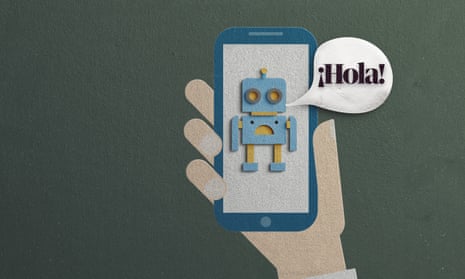
Artificial Intelligence has transformed language learning by making it more personalized, adaptive, and efficient. Traditional methods, such as textbooks or classroom courses, often fail to address the individual needs of learners. Recent statistics show that 67% of language learners struggle to maintain consistent progress using standard approaches. best app to learn italian, on the other hand, analyze user behavior, track mistakes, and adjust lessons in real-time, ensuring steady improvement.
By providing immediate feedback on grammar, vocabulary, and pronunciation, AI apps enhance learning retention. Research indicates that learners using AI-based language tools improve conversational fluency 40% faster than those relying solely on conventional methods.
How Do AI Language Apps Improve Learning Outcomes?
AI apps leverage machine learning algorithms to create a tailored learning experience. They identify weak areas—such as verb conjugations or pronunciation challenges—and provide focused exercises to address them. For instance, if a learner consistently mispronounces Italian vowels, the AI system will generate targeted pronunciation drills until mastery is achieved.
Moreover, these apps incorporate speech recognition technology, which plays a crucial role in developing proper pronunciation. Studies show that learners who receive instant pronunciation feedback retain new words 35% more effectively than those practicing without correction. This combination of personalization and immediate guidance makes AI apps an indispensable tool for anyone aiming to speak Italian confidently.
Which Features Make an AI Language App Effective?
Not all AI language apps are created equal. Key features that drive results include adaptive learning, interactive content, and real-time feedback. Adaptive learning ensures that lessons evolve according to your skill level, preventing stagnation and keeping progress steady.
Interactive features, such as quizzes, flashcards, and simulated conversations, increase engagement and motivation. Statistics reveal that learners who practice through interactive exercises are 50% more likely to maintain a consistent study routine compared to those relying on passive reading.
Real-time feedback is equally essential. Correcting mistakes immediately prevents the formation of bad habits, while also boosting confidence. Effective apps also provide comprehensive coverage across listening, speaking, reading, and writing, since balanced practice has been shown to accelerate overall language acquisition by up to 30%.
Can AI Replace Traditional Language Learning Methods?
While AI apps are highly effective, they work best as a complement to other learning strategies. Classroom courses and cultural immersion offer in-person interaction and context, which remain valuable. However, AI apps provide flexible, cost-effective practice outside traditional settings. Learners can engage in short, focused sessions daily, which research shows maximizes retention and reduces cognitive fatigue.
How Fast Can You Learn Italian with an AI App?
Progress depends on frequency, prior knowledge, and engagement quality. Statistical analysis indicates that consistent use of an AI language app for 20–30 minutes a day can result in conversational fluency within six months for beginners. Learners report noticeable improvements in comprehension and speaking confidence after just three months of daily practice.
Why Should You Invest in an AI Language App?
AI language apps combine personalization, interactivity, and data-driven insights to accelerate learning. They make Italian accessible, practical, and enjoyable, catering to learners with diverse goals—whether for travel, career, or cultural enrichment. By continuously adapting to individual performance, AI ensures that every session contributes meaningfully to your progress.
With statistics demonstrating faster learning, better retention, and improved pronunciation, it’s clear that AI-powered language apps are more than a convenience—they are a strategic investment in achieving fluency efficiently. Embracing this technology allows learners to confidently speak Italian, turning what once was a daunting task into an engaging and measurable journey.