Introduction
Imagine a bridge being built across a roaring river. Every beam, joint, and cable must align with absolute precision because even a small defect could threaten the entire structure. Quality management in projects works much the same way—it is the discipline that ensures every detail is strong enough to support the weight of the whole. For professionals preparing for PMP Certification Bangalore, mastering quality management and assurance techniques is like learning how to weave strength into the fabric of every project, ensuring outcomes that are not only complete but also trusted.
The Compass of Consistency
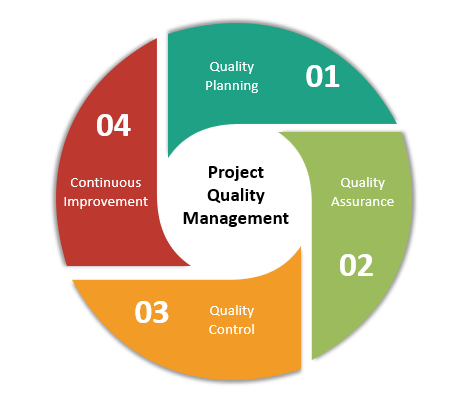
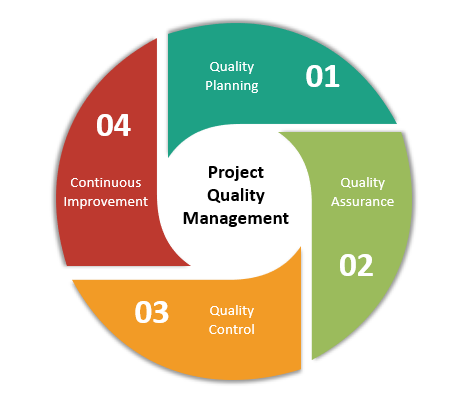
Quality management is often compared to a compass on a voyage. It doesn’t steer the ship by itself, but it ensures the vessel remains on course. In project environments, this means developing quality management plans that clearly outline expectations, standards, and performance thresholds. For instance, a software rollout may require response times under two seconds; anything longer risks frustrating users. By defining these benchmarks upfront, project managers ensure the team always has a clear direction. Aspirants studying for PMP Certification Bangalore learn how such planning tools create predictability in execution, saving both time and credibility.
Assurance as the Silent Guardian
Assurance techniques function like an invisible guardian, hovering over every stage of the project. While management focuses on planning, assurance focuses on oversight—verifying that processes are followed, standards are upheld, and compliance is never compromised. Picture a safety inspector quietly walking through a construction site, ensuring every helmet is worn and every scaffold is secure. In project terms, assurance activities like audits, peer reviews, and compliance checks serve the same protective purpose. They build trust among stakeholders, demonstrating that quality isn’t assumed—it is continuously confirmed.
Tools of Precision and Discipline
Techniques for quality management are like the chisels and hammers of a skilled craftsman. Without them, even the finest blueprint is useless. Tools such as cause-and-effect diagrams, Pareto analysis, and control charts help project managers identify root causes of problems and track performance trends. Consider a telecom project where dropped calls suddenly spike. A Pareto chart might reveal that 80% of the issues arise from just two specific towers. Such insights empower managers to act with precision. These tools are emphasised in training programmes, equipping learners with practical skills to dissect complexity and restore order.
Continuous Improvement: The Living Pulse of Projects
A project that ignores continuous improvement is like a stagnant pond—it may appear calm, but beneath the surface, it lacks vitality. Quality management thrives on constant learning and refinement. Frameworks such as Plan-Do-Check-Act (PDCA) create cycles where each project phase informs the next. This dynamic approach ensures not just compliance but growth. In fast-moving industries like IT and construction, feedback loops prevent repeating mistakes and encourage innovation. By treating improvement as a living pulse, project teams evolve with each cycle, delivering outputs that become stronger and more resilient over time.
Human Element in Quality Culture
Behind every checklist and chart lies the most critical factor—people. Even the most detailed quality plan will fail if the team lacks ownership and awareness. Building a culture where quality is everyone’s responsibility transforms compliance from a burden into a shared mission. Imagine a hospital ward where every nurse, doctor, and technician feels equally accountable for patient safety—the results are dramatically better than in environments where responsibility is siloed. The same principle applies in projects: when quality becomes part of the culture, assurance is not enforced from above but embraced from within.
Conclusion
Quality management and assurance are not mechanical rituals but living practices that breathe confidence into projects. They ensure that outcomes stand tall like well-built bridges, capable of carrying the weight of scrutiny and trust. From planning consistent benchmarks to applying precision tools, from safeguarding processes to nurturing improvement and culture, these techniques define the difference between mediocrity and excellence. For those pursuing PMP Certification Bangalore, mastering these disciplines is more than preparation for an exam—it is preparation for leadership in a world where the strength of projects rests on the invisible threads of quality.